
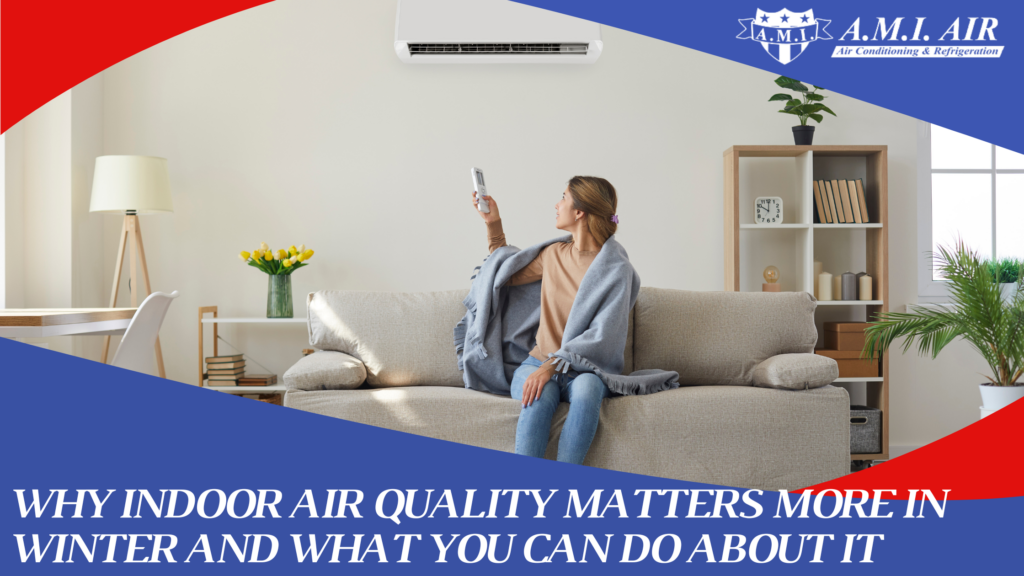
Although Florida’s winters are mild, cooler temperatures can still lead to changes in your home’s air quality. During this time of year, you’re likely to keep windows closed and rely more on your HVAC system for comfort. As a result, indoor air is recirculated repeatedly. If your system isn’t well-maintained, dust, moisture, and other pollutants can accumulate, negatively impacting your comfort and health.
Understanding the factors that affect your indoor air quality during winter can help you maintain a cleaner, fresher, and safer home throughout the season.
Why Indoor Air Quality Changes in the Winter
When homes stay closed for long periods, the air inside doesn’t get a chance to refresh. Instead of circulating new air from outdoors, your HVAC system keeps recycling what’s already there. In South Florida, that can trap moisture, pet dander, and even allergens that drift in from outside.
Humidity brings another complication to the table. In coastal areas like Fort Lauderdale, excess moisture from the air can linger indoors, leading to mold or mildew growth if your system isn’t dehumidifying effectively. Over time, poor air circulation can make your home feel stuffy, contribute to allergy symptoms, and create conditions that allow pollutants to thrive.
Common Winter Indoor Air Problems
Several issues can affect your indoor air quality during the cooler months. These are among the most common:
- Dust and Allergens: Closed windows limit airflow, allowing dust and pet dander to accumulate.
- Mold and Mildew: Warm indoor air and leftover humidity can encourage mold growth, especially in poorly ventilated spaces.
- Dry or Stale Air: When heating is used, even briefly, indoor humidity can drop, making the air feel dry and uncomfortable.
- Odors and VOCs: Cleaning products, paint, and new furnishings can release volatile organic compounds that linger in enclosed environments.
Each of these issues can make your home less comfortable and, in some cases, less healthy.
How to Improve Indoor Air Quality During Winter
Fortunately, small steps can make a big difference in keeping the air inside your home clean.
- Replace Air Filters Regularly: Check your filters every month and replace them as needed. Clean filters keep airflow strong and help your HVAC system capture dust, pollen, and pet hair.
- Schedule an HVAC Tune-Up: A professional inspection helps identify leaks, dirty components, or humidity imbalances that affect your indoor air.
- Add an Air Purifier: Portable or whole-home systems can trap particles and neutralize odors for fresher air.
- Control Humidity Levels: Use a dehumidifier to prevent mold in damp areas or a humidifier if your air feels uncomfortably dry.
- Keep Ducts Clean: Dust, debris, and even pests can settle inside ducts, spreading particles throughout your home when your system runs.
When to Call an HVAC Professional
Sometimes, no amount of DIY maintenance will fix the problem. If you notice musty smells, visible mold, or a noticeable decline in comfort, it’s time to reach out to a licensed HVAC technician.
Other signs include:
- The air feels stale or heavy even after changing filters.
- Energy bills rise without an obvious reason.
- Family members experience frequent coughing, sneezing, or allergy flare-ups.
The experts at AMI Air Conditioning understand how Florida’s coastal humidity, salt exposure, and pollen levels affect HVAC systems. They can assess your indoor air quality, clean your system, and recommend solutions that fit your home and lifestyle.
FAQ About Indoor Air Quality in Florida Homes
Why does indoor air quality feel worse in winter?
Homes stay sealed longer, which traps pollutants, moisture, and stale air.
How often should filters be changed in South Florida?
Monthly replacement is ideal, especially in homes with pets or allergy concerns.
Can humidity affect indoor air quality?
Yes. High humidity encourages mold and dust mites, while low humidity can irritate skin and sinuses.
What’s the best way to keep indoor air clean all year?
Schedule regular HVAC maintenance and consider installing an air purification system for ongoing protection.
Keep Your Home’s Air Clean with AMI Air Conditioning
Healthy indoor air supports your comfort and your peace of mind. AMI Air Conditioning helps Fort Lauderdale homeowners maintain cleaner, safer indoor environments through expert HVAC maintenance, duct cleaning, and air purification systems.
When the air inside your home feels heavy or stale, professional care can make all the difference. AMI Air Conditioning can help you breathe easier and enjoy a cleaner, more comfortable home this winter.